Brad Mehldau Trio with Larry Grenadier & Marcus Gilmore
Piano trio jazz built on decades of shared language with bassist Grenadier, rhythmically knotty and deeply attentive to song form.
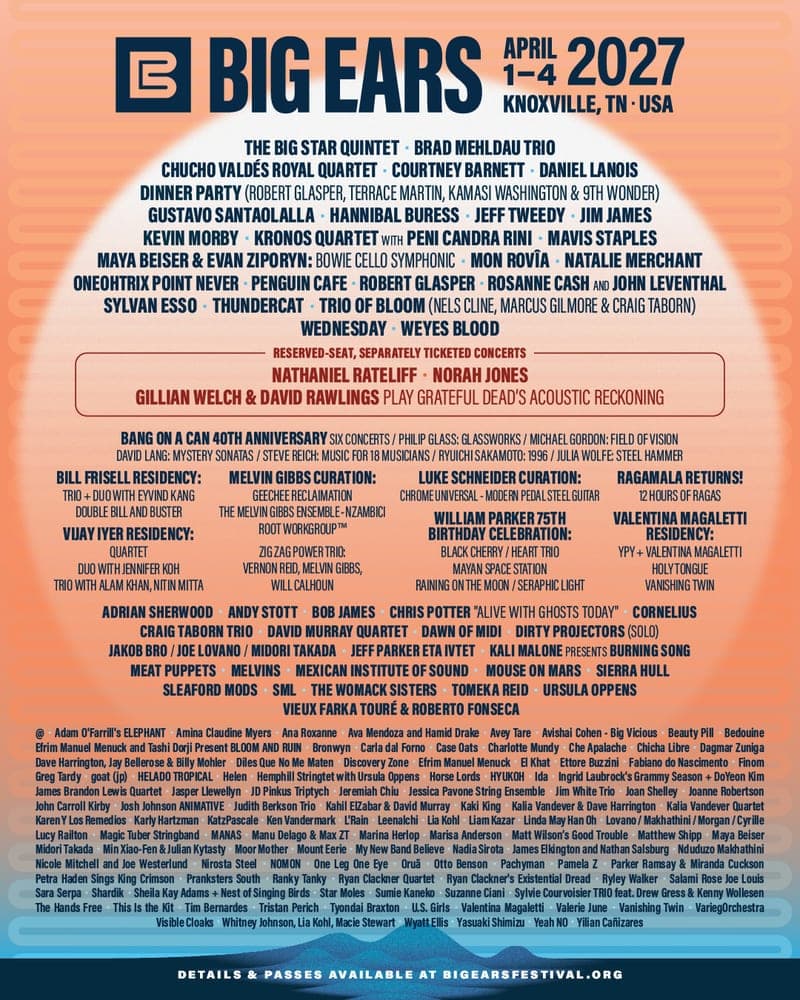
Four days, more than twenty rooms and 250-plus performances across downtown Knoxville, from jazz and new music to folk and drone. The 2027 bill is out: Thundercat, Sylvan Esso, Mavis Staples, Courtney Barnett and a Bang on a Can 40th birthday.
Name a few bands you love and we'll scout all 190 acts on the Big Ears bill for the ones you shouldn't miss.
Free account — we'll email you the day it happens, and your saved festivals follow you to every device.
Big Ears 2027 runs April 1 to 4 in downtown Knoxville, Tennessee, and the bill landed on September 14: 190 performances so far, with more still to be added. Thundercat, Sylvan Esso, Courtney Barnett, Weyes Blood, Wednesday, Jeff Tweedy, Jim James, Kevin Morby and Mavis Staples cover the rock and pop end. The jazz side runs just as deep, with the Brad Mehldau Trio, Chucho Valdes, Robert Glasper both solo and in Dinner Party alongside Kamasi Washington, Terrace Martin and 9th Wonder, plus Bob James and Oneohtrix Point Never on the electronic flank.
Three reserved-seat concerts sit outside the pass entirely. Norah Jones, Nathaniel Rateliff, and Gillian Welch and David Rawlings playing the Grateful Dead's Acoustic Reckoning are ticketed separately, on sale this fall, with passholders getting a pre-sale and a better rate.
The reason to read the small print is that Big Ears books an artist for a weekend rather than a night. Bang on a Can marks its 40th anniversary with six concerts, one each for Philip Glass, Michael Gordon, David Lang, Steve Reich, Ryuichi Sakamoto and Julia Wolfe. Bill Frisell plays three sets, one of them a live score to Buster Keaton. Vijay Iyer plays three, in a quartet, in duo with violinist Jennifer Koh, and in a trio with Alam Khan and Nitin Mitta. William Parker turns 75 across five different bands, Melvin Gibbs curates four nights, and Valentina Magaletti turns up three times. Luke Schneider's pedal steel curation and a twelve-hour Ragamala are announced without their casts so far.
Founded in 2009 by Bonnaroo co-founder Ashley Capps and run as a nonprofit since 2016, Big Ears is the festival that books John Zorn for a dozen sets and Robert Plant in the same weekend. Everything sits within a short walk of everything else, with a festival trolley for the rest, across more than twenty venues: the Tennessee Theatre and the Bijou, churches, the Mill & Mine warehouse, museums, galleries and the Regal Riviera for films.
Four-day passes come in three tiers, priced inclusive of fees: general admission from $450 in waves that step up as each sells out, Premier at $875, and VIP Sonic Explorer at $1,475. A film-only pass is $50. Single-day passes are priced from $135 for the Thursday to $225 for the Saturday and follow once the daily lineups are published. Front Gate Tickets is the only authorized seller.
Expect jazz, experimental, classical and world across 190 acts.
Search it, filter by day, stage or genre. Save anything straight to your schedule.
Piano trio jazz built on decades of shared language with bassist Grenadier, rhythmically knotty and deeply attentive to song form.
The Irakere founder at the piano, folding Afro-Cuban rhythm and bebop into solos of enormous physical force.
Deadpan Melbourne songwriting full of tiny observed details, over guitar that gets a lot noisier live — slacker delivery hiding a genuinely ferocious player.
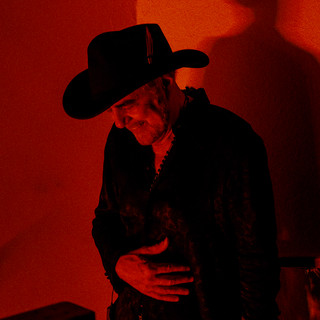
The producer of records for U2, Peter Gabriel and Bob Dylan, working alone with pedal steel fed through dub delay and distortion.
The producer of Dylan, U2 and Emmylou Harris in his own right, playing pedal steel and guitar through washes of delay.
Close-harmony duo, two voices and two guitars, taking the Grateful Dead's acoustic songbook at their own unhurried Appalachian angle.
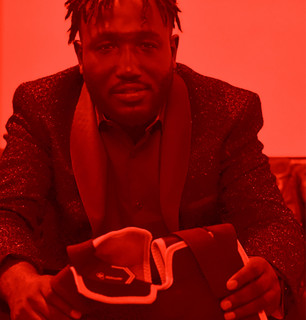
Chicago stand-up with a loose, unhurried delivery, known to wider audiences from Broad City and The Eric Andre Show.
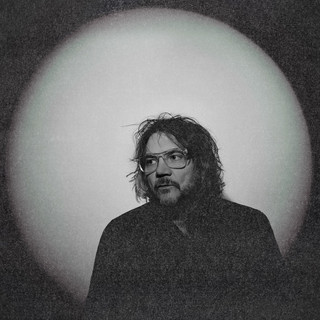
Wilco's frontman alone with an acoustic guitar, drawing on a catalogue that reaches back to Uncle Tupelo, with dry between-song talk in the gaps.
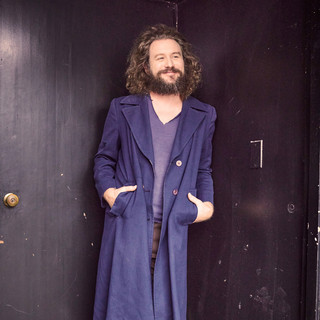
My Morning Jacket's singer away from the band, that reverb-soaked falsetto pointed toward psychedelic soul.
Loose-limbed, Dylan-shaped American songwriting, delivered like he has all the time in the world — road-dog albums that keep quietly stacking up.
The long-running string quartet joined by a Javanese composer and sindhen singer, gamelan vocal tradition written out for bowed strings.
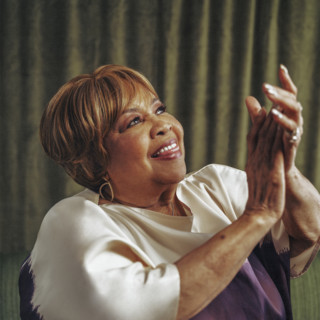
Gospel and freedom song royalty out of Chicago, and still the most reassuring voice in American music.
Liberian-born, Chattanooga-raised songwriter making what he calls Afro-Appalachian folk: soft-spoken banjo songs about displacement and hope.
The former 10,000 Maniacs singer pared back to a duo with her longtime guitarist, contralto voice and acoustic accompaniment.
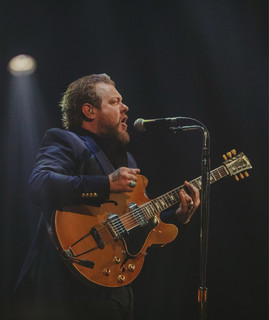
Denver songwriter with two modes: the horn-driven soul revue of the Night Sweats, and quieter solo records carried by his voice alone.
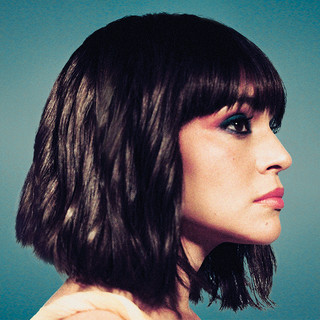
Pianist and singer whose hushed debut for Blue Note, 'Come Away With Me,' sold into the tens of millions. Country, jazz and blues handled at a whisper.
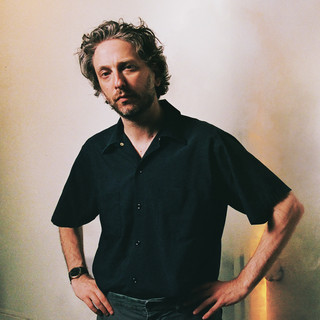
Daniel Lopatin's synthesizer project, running from decayed cassette loops to the score for 'Uncut Gems,' here built out into an audiovisual collaboration.
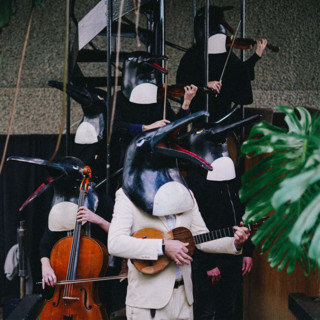
Arthur Jeffes leading a chamber ensemble that continues his father's Penguin Cafe Orchestra, strings and piano sitting between minimalism and folk dance tunes.
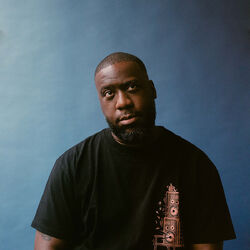
Houston pianist who built the Black Radio albums around rotating rap and R&B vocalists, and whose keys turn up on To Pimp a Butterfly.
Songwriter and guitarist-producer, married collaborators for decades, her narrative writing framed by his arrangements. Two people, one guitar.
Amelia Meath's plainspoken hooks over Nick Sanborn's modular synth pulses: Durham electronic pop that clicks in a club and still sings in a field.
Six-string bass played like a lead instrument, sung over in a helium falsetto — virtuosity worn so lightly it reads as comedy until you follow the changes.
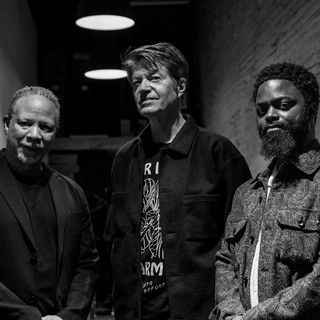
Asheville's country-gaze storytellers — lap steel, feedback, and busted-truck poetry, narrating the South's weird corners in high fidelity.
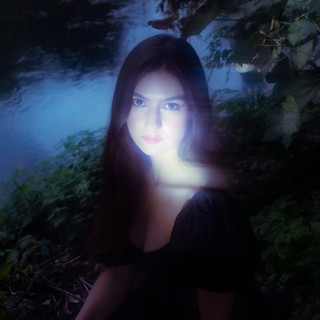
Natalie Mering's project, a contralto voice set against orchestral pop arrangements that owe as much to 1970s AM radio as to the noise scene she came up in.

On-U Sound founder who built British dub as a studio art, running Lee Perry, African Head Charge and Tackhead through his mixing desk.

Manchester producer on Modern Love, working in slowed, dub-heavy techno where the low end is caked in grit and the vocals float in from somewhere else.
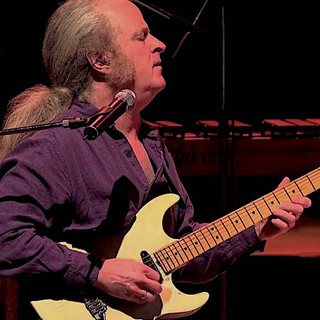
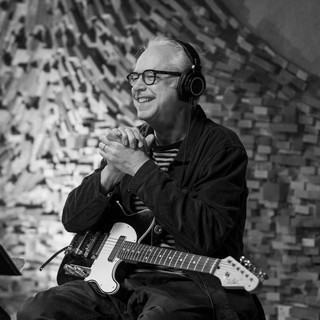
Two long-standing collaborators, guitar and viola, working in the open space between folk melody and sustained drone.
The guitarist's quiet, elastic trio setting, where country tunes, standards and looped ambience blur into each other at low volume.

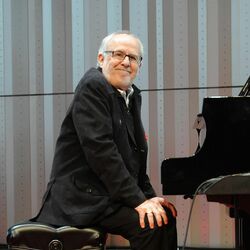
Keyboardist behind the Taxi theme and a catalogue of fusion records that hip-hop producers have been cutting up since the 1980s.
Tenor saxophonist with a torrential harmonic command, schooled in Dave Holland's bands and equally at home on soprano, clarinet and keys.
Keigo Oyamada's solo work after Flipper's Guitar, moving from the dense pop collage of 'Fantasma' toward spare, meticulously placed sound design.

Pianist whose touch runs from hushed single notes to churning mechanical patterns, with years in James Carter's and Tim Berne's bands behind him.

Tenor saxophonist and bass clarinettist out of the New York loft scene and a founding member of the World Saxophone Quartet, leading a quartet with a vocalist out front.

Brooklyn trio playing acoustic piano, bass and drums in interlocking loops that sound like machine music, with 'Dysnomia' as the blueprint.
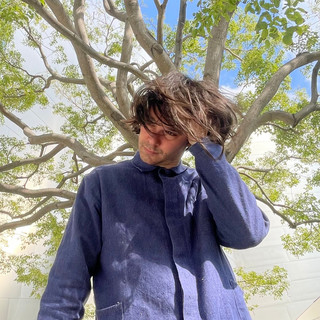
Dave Longstreth's band, built on cramped angular guitar figures and stacked vocal counterpoint, with a lineup that has turned over almost entirely across records.
The comedian behind the decks, playing dance sets with the stand-up material left at the door.
William Parker, Cooper-Moore and Hamid Drake, as likely to reach for flutes, frame drums and homemade instruments as bass and kit.
Valentina Magaletti, Al Wootton and Susumu Mukai running post-punk bass and live percussion through dub mixing-desk logic.
Guitar, tenor saxophone and percussion from three improvisers who work mostly in open space, ECM hush alongside Japanese minimalism.
Tortoise guitarist's quartet, grown out of a long Monday residency at a small Highland Park bar. Loops, modal vamps and improvisations that stretch past twenty minutes.
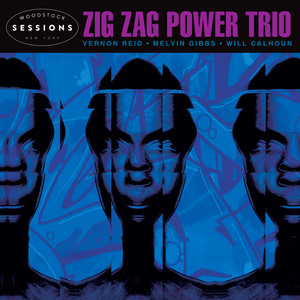
William Parker's trio with guitarist Ava Mendoza and drummer Gerald Cleaver, bass-led free jazz with distortion and blues creeping through it.
Kirkwood brothers from Phoenix who ran hardcore through country and desert psychedelia on SST, then reached a wider audience via Nirvana's Unplugged set.
Forty years of deliberately difficult, punishingly slow riffs — and the band Nirvana learned from, still outweirding everyone downstream.
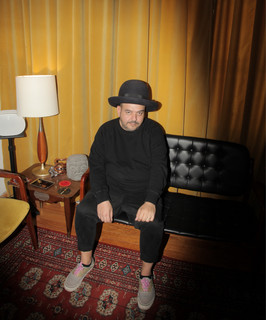
Camilo Lara's sample-heavy project out of Mexico City, splicing cumbia, brass bands and old vinyl into dance tracks with sharp political talk.

Jan St. Werner and Andi Toma, three decades of German electronics that keeps live drums and deliberately broken rhythm close at hand.
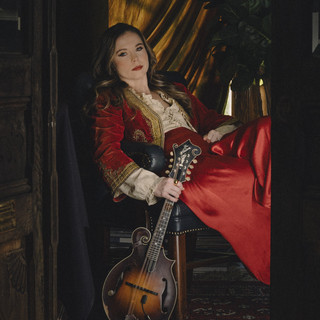
A mandolin virtuoso since childhood, now writing songs that justify the technique — bluegrass pedigree stretched into something personal.
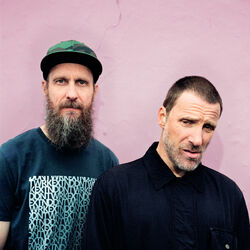
Nottingham duo trading in Jason Williamson's ranted verses about work, rent and English indignity, set over Andrew Fearn's skeletal loops.

Los Angeles quintet whose music starts as long improvised sessions and gets edited into shape afterward, woodwinds and bass locking to loose electronic pulse.
Group led by the bassist of Harriet Tubman and Defunkt, whose low end has anchored everything from the Rollins Band to downtown New York jazz.
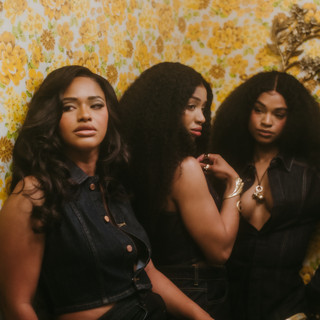
Los Angeles trio built on close family harmony and retro-leaning soul arrangements, carrying the Womack and Cooke songwriting line forward.

Chicago cellist and composer who moves between free improvisation and written form, here working through the Duke Ellington book.

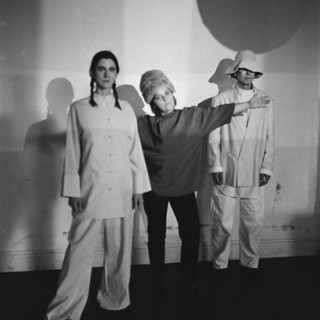
London group around Cathy Lucas, drawing on library music and exotica with multilingual vocals over motorik grooves.
Malian guitarist and Cuban pianist in duo, finding the common ground between Sahel blues figures and Havana keyboard rhythm.
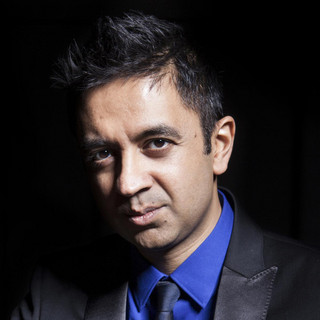
The pianist and violinist Jennifer Koh performing Iyer's chamber writing, where notated lines and improvisation pass back and forth.
Piano, sarod and tabla in conversation, with Hindustani raga form and jazz improvisation sharing the same pulse.
The pianist's long-running rhythm partnership with Oh and Sorey, opened out by O'Farrill's trumpet. Rigorous writing played loose.
Koshiro Hino's Osaka electronics pitted against the live drumming of Valentina Magaletti, known from Tomaga and Holy Tongue.
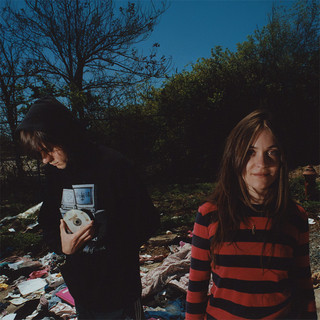
American duo assembled in 2020 from homemade acoustic recordings, filed under a name that refuses to survive a search engine.


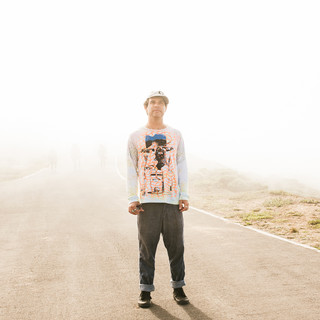
Dave Portner of Animal Collective on his own, pushing tape-warped psychedelia and layered vocal loops further into the murk.
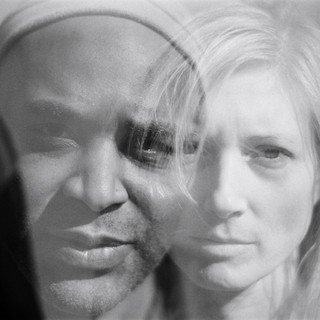
Chad Clark's Washington DC group, building rock records with a producer's ear for room sound and small electronic detail.
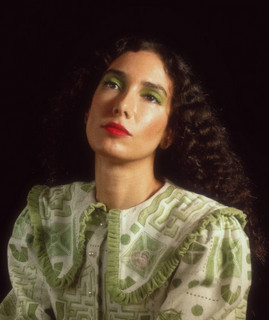
Azniv Korkejian, born in Aleppo and raised across Saudi Arabia and the US, writing quiet guitar songs with string arrangements in the Spacebomb house style.


Chicago alt-country charmers — loose, warm, and unhurried, twang-flecked songs with a next-door intimacy, porch-light music in city clothes.
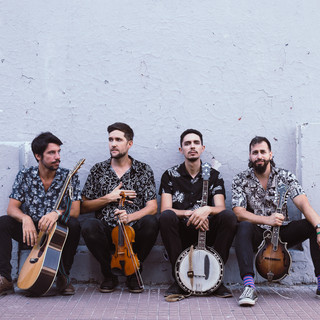
String band formed in Buenos Aires around American fiddler Joe Troop, welding Appalachian bluegrass picking to Latin American folk forms and singing in both Spanish and English.

Brooklyn band playing Peruvian chicha, the psychedelic cumbia of 1970s Amazonian Peru, on surf guitar and electric organ.
Nicaraguan-American songwriter whose four-track tape songs drift like intercepted signals — intimate, hiss-wrapped folk experiments with an instant cult following.
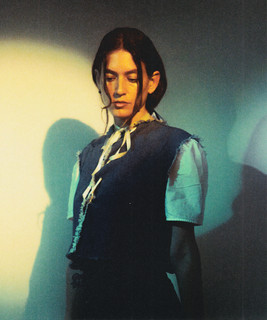
JJ Weihl's solo project, made in Berlin: synth-pop in soft focus, sung through a character who never quite breaks the spell.

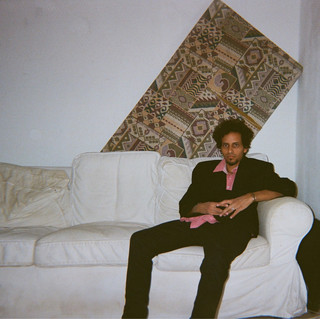
Yemeni music rebuilt on instruments made from scrap metal and junk, played loud and deliberately unsteady.
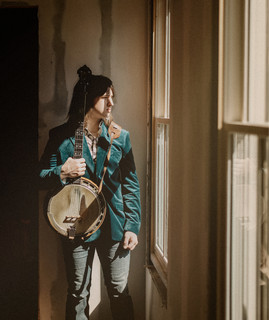

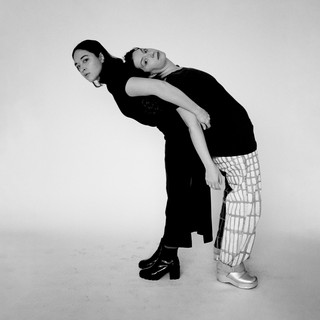
Chicago duo Sima Cunningham and Macie Stewart, formerly Ohmme, braiding two voices into close harmony over guitars tuned to odd angles.


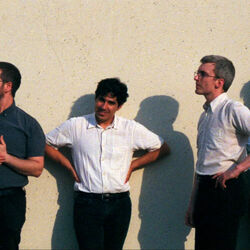

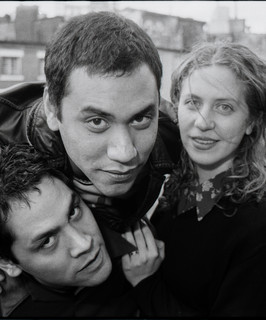
Daniel Littleton and Elizabeth Mitchell's band, singing quietly enough that the room has to lean in. Slowcore with folk bones.


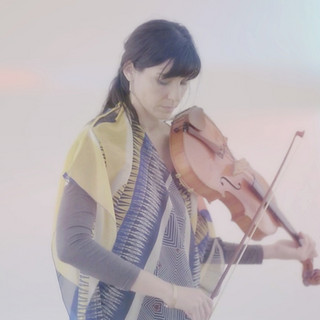
New York violist and composer's group, writing for strings in long sustained tones tuned to beat against each other until the overtones start moving.

Dean Blunt's favorite guitarist — smudged, dreamlike folk sketches that hover somewhere between demo and dream.
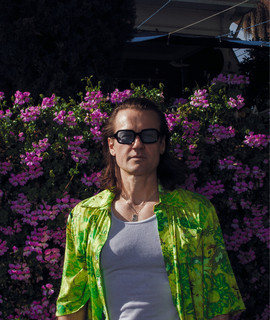
Los Angeles pianist and producer whose own records drift into new age and soft tropical keyboard textures, with session credits including Solange.
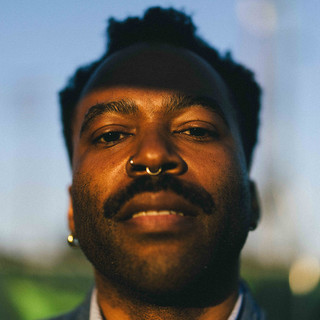
Los Angeles alto saxophonist who runs the horn through pedals and loopers until one player sounds like a small ensemble.

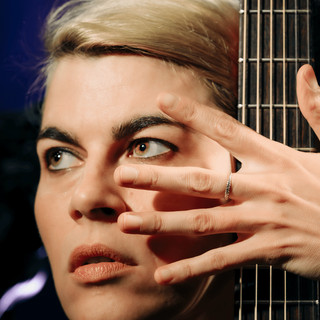
Guitarist known for two-handed tapping and percussive attack on the body of the instrument, later staging shows with video projected onto the guitar itself.

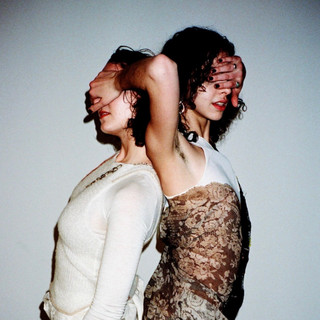
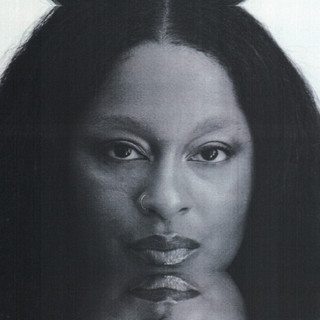
Taja Cheek's project, assembling loops, field recordings and tape collage into soul songs that dissolve halfway through and reassemble somewhere else.

Seoul band setting pansori singers over two basses and a drummer, so a 200-year-old Korean epic comes out as taut, deadpan dance-punk.
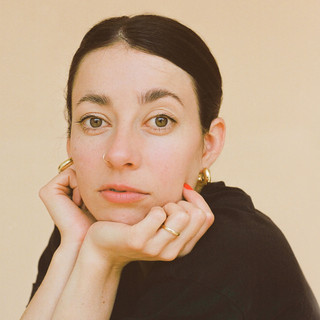
Chicago cellist building ambient pieces from bowed cello, radio static and small found objects, with stray broadcast voices wandering in.
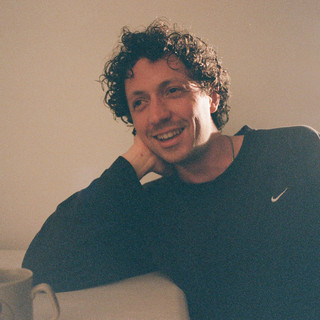
Chicago songwriter who played in Jeff Tweedy's band before stepping out front, writing loose rock songs with a soul singer's phrasing.
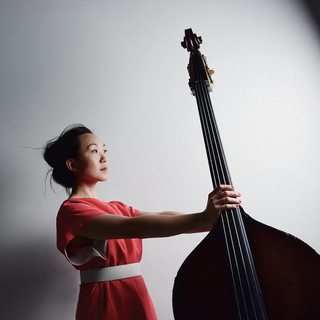
Bassist and composer raised in Perth, a longtime anchor of Pat Metheny's quartet who writes knotty, singing lines for her own groups.
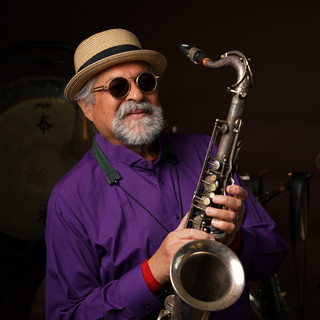
Free-leaning jazz meeting of saxophonist Joe Lovano, South African pianist Nduduzo Makhathini and drummer Andrew Cyrille, whose playing reaches back to Cecil Taylor's 1960s bands.
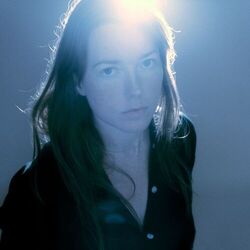


Guitar soli as landscape painting — blues, minimalism, and open air, the American primitive tradition carried gently forward.

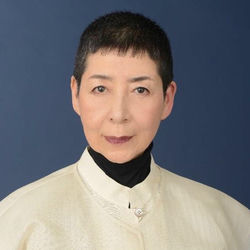
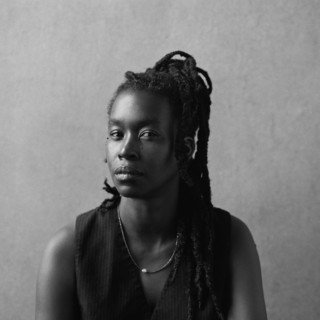
Camae Ayewa's project, laying poetry over noise, free jazz and blown-out beats. Also one voice in the collective Irreversible Entanglements.
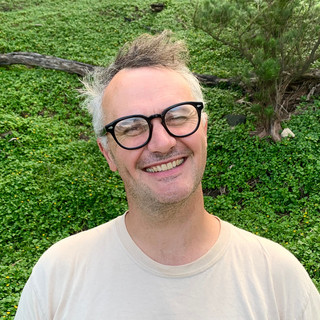
Phil Elverum's work after The Microphones, recorded around Anacortes, Washington: acoustic guitar, tape hiss and lyrics that state things plainly.
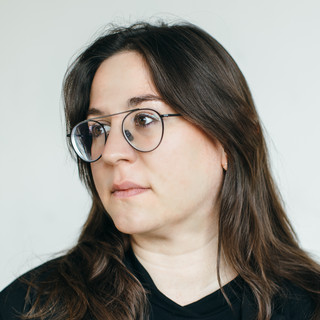
Violist working almost entirely in new music, premiering pieces written for her and interviewing the composers who wrote them.
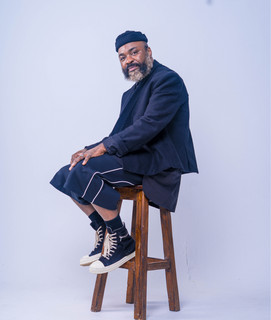
South African pianist who treats improvisation as ritual, pulling Zulu spiritual practice into the modal end of jazz.
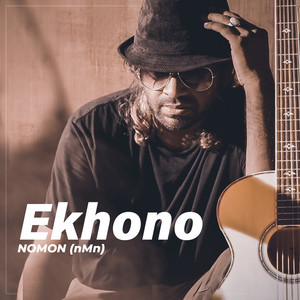

Rio de Janeiro band led by Lê Almeida, playing lo-fi noise rock loose enough to fall into long improvised stretches.
Brooklyn artist once known as Memo Boy — surreal, quietly emotional experimental pop that turned vocal on his album Peanut.
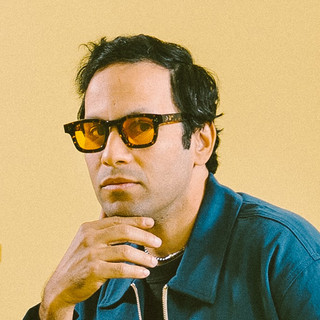
Pachy Garcia's one-man dub operation, Puerto Rican roots reggae rebuilt in Los Angeles with spring reverb, tape delay and analog gear.


Charleston quintet drawing on the Gullah music of the South Carolina Lowcountry, spirituals and children's game songs given jazz arrangements.
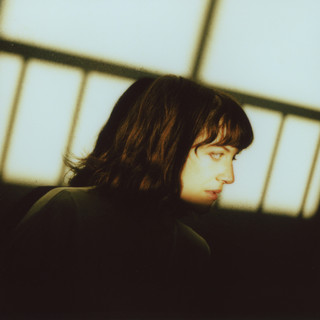
Lindsay Olsen's home-recorded project for Brainfeeder, keyboards and stacked vocals assembled into loose sci-fi song cycles.

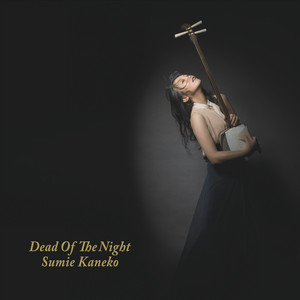
Koto and shamisen player who sings as she plays, moving Japanese classical technique into jazz phrasing and improvisation.


Kate Stables' band, built around her banjo and a knack for odd phrase lengths that sound perfectly natural until you count them.
São Paulo songwriter and leader of O Terno, whose solo records stack his own voice into choirs over strings and fingerpicked guitar.
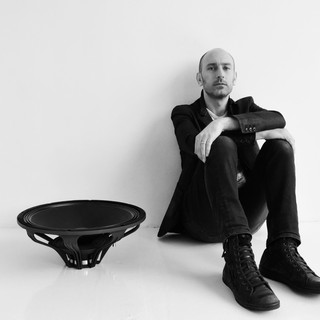
Composer who writes for 1-bit electronics, building circuitry that plays single-channel tones alongside acoustic instruments.
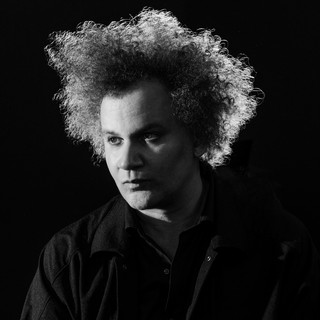
Composer and guitarist known from Battles, working solo in layered electronics and orchestral writing since 'Central Market.' Loops built into something symphonic.
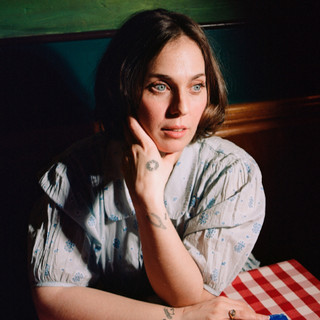
Meg Remy's project, which travelled from tape-hiss experiments to full-band disco and torch song. Pop structures with the wiring left exposed.
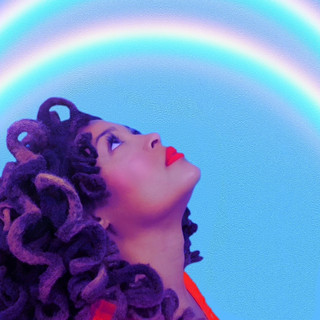
Tennessee songwriter with a voice like no one else's, moving between banjo-led Appalachian folk, gospel and blues.
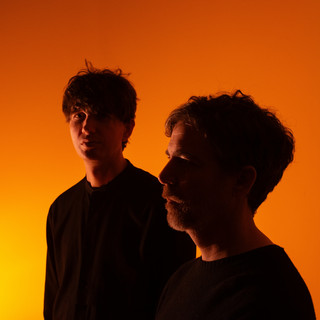
Portland duo led by Spencer Doran, building synthetic ambient music from MIDI-era timbres and the Japanese environmental records he has spent years compiling.
Teenage mandolin prodigy mentored by the genre's living legends — instrumentals played with a veteran's restraint.

Japanese saxophonist and composer who led the band Mariah before recording Bach's cello suites on tenor sax, with a sideline in supple, odd-angled pop production.

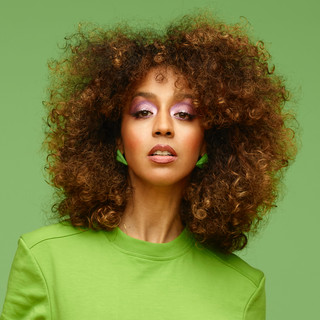
Cuban violinist and singer based in Switzerland, running classical training through Afro-Cuban rhythm and singing in Spanish and Yoruba over her own fiddle lines.
Brad Mehldau Trio with Larry Grenadier & Marcus Gilmore — Piano trio jazz built on decades of shared language with bassist Grenadier, rhythmically knotty and deeply attentive to song form.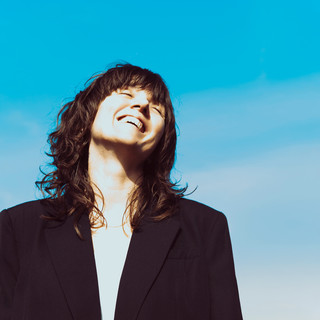 Courtney Barnett — Deadpan Melbourne songwriting full of tiny observed details, over guitar that gets a lot noisier live — slacker delivery hiding a genuinely ferocious player.Daniel Lanois – Solo Electro — The producer of records for U2, Peter Gabriel and Bob Dylan, working alone with pedal steel fed through dub delay and distortion.Hannibal Buress — Chicago stand-up with a loose, unhurried delivery, known to wider audiences from Broad City and The Eric Andre Show.Jeff Tweedy — Wilco's frontman alone with an acoustic guitar, drawing on a catalogue that reaches back to Uncle Tupelo, with dry between-song talk in the gaps.Jim James — My Morning Jacket's singer away from the band, that reverb-soaked falsetto pointed toward psychedelic soul.
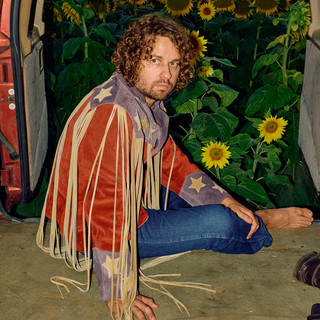 Kevin Morby — Loose-limbed, Dylan-shaped American songwriting, delivered like he has all the time in the world — road-dog albums that keep quietly stacking up.Mavis Staples — Gospel and freedom song royalty out of Chicago, and still the most reassuring voice in American music.
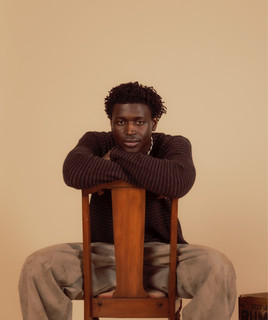 Mon Rovîa — Liberian-born, Chattanooga-raised songwriter making what he calls Afro-Appalachian folk: soft-spoken banjo songs about displacement and hope.Nathaniel Rateliff — Denver songwriter with two modes: the horn-driven soul revue of the Night Sweats, and quieter solo records carried by his voice alone.Norah Jones — Pianist and singer whose hushed debut for Blue Note, 'Come Away With Me,' sold into the tens of millions. Country, jazz and blues handled at a whisper.Oneohtrix Point Never with Freeka Tet — Daniel Lopatin's synthesizer project, running from decayed cassette loops to the score for 'Uncut Gems,' here built out into an audiovisual collaboration.Penguin Cafe — Arthur Jeffes leading a chamber ensemble that continues his father's Penguin Cafe Orchestra, strings and piano sitting between minimalism and folk dance tunes.Robert Glasper — Houston pianist who built the Black Radio albums around rotating rap and R&B vocalists, and whose keys turn up on To Pimp a Butterfly.
 Sylvan Esso — Amelia Meath's plainspoken hooks over Nick Sanborn's modular synth pulses: Durham electronic pop that clicks in a club and still sings in a field.
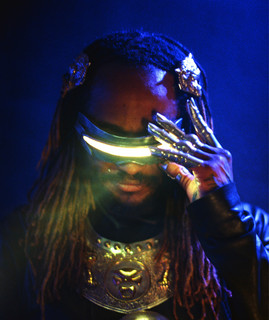 Thundercat — Six-string bass played like a lead instrument, sung over in a helium falsetto — virtuosity worn so lightly it reads as comedy until you follow the changes.
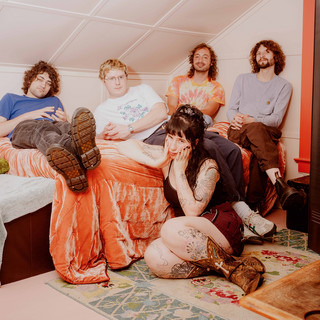 WEDNESDAY — Asheville's country-gaze storytellers — lap steel, feedback, and busted-truck poetry, narrating the South's weird corners in high fidelity.Weyes Blood — Natalie Mering's project, a contralto voice set against orchestral pop arrangements that owe as much to 1970s AM radio as to the noise scene she came up in.
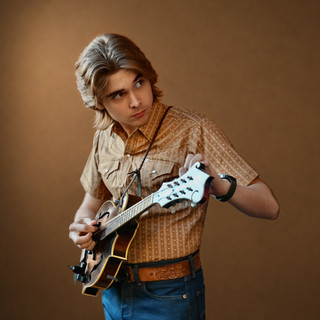 Wyatt Ellis — East Tennessee mandolinist, 17, playing close to home. Single-mic bluegrass with a real band behind him.
 Case Oats — Casey Gomez Walker's country band on Merge, writing character songs with somewhere to go.Bronwyn — Fiddler Bronwyn Keith-Hynes, a Grammy winner out of Molly Tuttle's Golden Highway, leading her own set.Leenalchi — Korean seven-piece built on pansori storytelling, two bassists and no guitar.@ — Philadelphia duo trading files back and forth into soft, ragged folk-pop. Yes, the band is called @.Jasper Llewellyn — A founder of caroline, solo: chamber instruments and post-rock patience.Star Moles — Emily Moales's Philadelphia project, indie songs made slowly and mostly alone.Bang On A Can All-Stars: Steve Reich: Music For 18 Musicians — One of six concerts marking the group's 40th birthday, each given over to a single composer.Trio of Bloom — Nels Cline, Craig Taborn and Marcus Gilmore, three players who rarely share a stage.Double Bill and Buster: A Night of Film and Music by Bill Frisell, Bill Morrison and Buster Keaton with Luke Bergman & Tim Angulo — Frisell scores Buster Keaton live, one of his three sets across the weekend.
April 1 to 4, 2027 (Thursday through Sunday), across downtown Knoxville, Tennessee.
190 performances are announced so far, with more to come. Thundercat, Sylvan Esso, Courtney Barnett, Weyes Blood, Mavis Staples, Jeff Tweedy, Jim James, Kevin Morby, Natalie Merchant, Rosanne Cash and Wednesday lead the rock and pop side; the Brad Mehldau Trio, Chucho Valdes, Robert Glasper, Dinner Party and Bob James lead the jazz side. Use the act finder on this page to check the full bill against the artists you already listen to.
Three reserved-seat concerts are ticketed separately: Norah Jones, Nathaniel Rateliff, and Gillian Welch and David Rawlings playing the Grateful Dead's Acoustic Reckoning. They go on sale in the fall, with a passholder pre-sale first and VIP and Premier passholders getting priority.
Donors at $100 and up could buy from September 14, previous purchasers from September 15, and everyone from Wednesday, September 16 at 9am ET, through Front Gate Tickets. Early Bird general admission is $450 and the price steps up as each wave sells out.
Jazz, new and classical music, experimental and electronic music, folk, drone, minimalism and the adventurous end of rock and pop, on the same weekend. Recent headliners have included David Byrne, Robert Plant, Laurie Anderson, John Zorn, Flying Lotus and Pat Metheny.
More than twenty rooms downtown, sized from about 100 to 2,500: the Tennessee Theatre, the Bijou Theatre and the Knoxville Civic Auditorium among the largest, plus churches, the Mill & Mine warehouse space, museums, galleries, clubs and the Regal Riviera for films. All are walkable, with a festival trolley running between them.
Not yet. Daily lineups and set times follow later, and single-day passes go on sale with them. Save the acts you want on this page and the schedule fills in here once the festival publishes it.
Yes. Passes are required for anyone aged two and up.
Going to Big Ears 2027? Get tickets ↗
Festivals in April 2027 →Music festivals in Tennessee →More Jazz festivals →More Indie festivals →More EDM festivals →Full festival calendar →